Understanding attachment styles is crucial for gaining insight into how we form and maintain relationships throughout our lives. These emotional patterns, developed in early childhood, shape our interactions with others, influence our emotional responses, and affect our ability to connect and trust. This article explores the concept of attachment styles, their origins, and how they impact our adult relationships.
The Origins of Attachment Theory
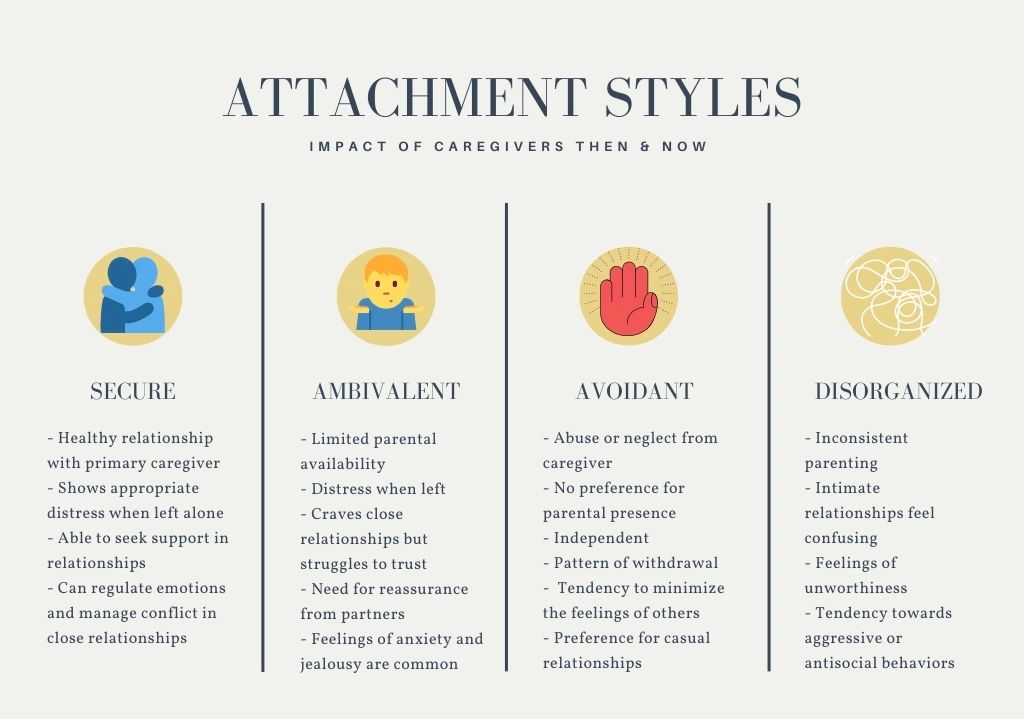
Attachment theory was first introduced by British psychiatrist John Bowlby in the 1950s. He proposed that the emotional bonds formed between infants and their caregivers are essential for survival and development. Bowlby believed that these early relationships create a "secure base" from which children can explore the world, seek comfort during distress, and develop a sense of safety and trust.
Bowlby’s work was later expanded by Mary Ainsworth, who conducted the famous “Strange Situation” experiment. This study identified three main attachment styles in infants: secure, anxious-ambivalent, and avoidant. Later, Main and Solomon added a fourth category: disorganized attachment.
Key Concepts in Attachment Theory
1. Secure Base
The concept of a secure base refers to the role of caregivers in providing a sense of safety and support. When children feel secure, they are more likely to explore their environment confidently, knowing that their caregiver is available if needed. This foundation helps them develop resilience and independence.
2. Internal Working Models
These are the mental representations of relationships that we develop based on our early experiences. They shape how we view ourselves, others, and the world around us. For example, someone with a secure attachment may believe that people are generally trustworthy, while someone with an anxious attachment might fear rejection.
3. Emotional Regulation
Attachment behaviors, such as seeking closeness or comfort, serve as natural mechanisms for managing stress and regulating emotions. These patterns help individuals cope with challenges and maintain emotional stability.
4. Dynamic Nature of Attachment
While attachment styles are formed in childhood, they are not fixed. Significant life experiences, changes in relationships, and personal growth can lead to shifts in attachment patterns over time.
The Four Main Attachment Styles
1. Secure Attachment
Individuals with a secure attachment style tend to have a positive view of themselves and others. They are comfortable with intimacy, can express their needs clearly, and are able to regulate their emotions effectively. In relationships, they are supportive, empathetic, and capable of maintaining healthy boundaries.
2. Anxious (Ambivalent) Attachment
People with an anxious attachment style often fear abandonment and have a negative view of themselves but a positive view of others. They may seek constant reassurance, become overly dependent on their partners, and struggle with self-esteem. In relationships, they may experience high levels of anxiety and insecurity.
3. Avoidant (Dismissive) Attachment
Those with an avoidant attachment style tend to value independence and may avoid emotional closeness. They often have a positive view of themselves but a negative view of others. In relationships, they may withdraw when things get too intense, avoid vulnerability, and struggle with expressing their feelings.
4. Disorganized (Fearful-Avoidant) Attachment
This style is characterized by conflicting behaviors, such as seeking closeness while also avoiding it. Individuals with disorganized attachment may have experienced trauma or inconsistent caregiving. They often struggle with emotional regulation, trust, and forming stable relationships.
How Attachment Styles Influence Adult Relationships
Attachment styles significantly impact how we interact with others in adulthood. Here’s a breakdown of how each style affects relationships:
Secure Attachment
- Communication: Open, honest, and empathetic.
- Conflict Resolution: Problem-solving focused.
- Intimacy: Balanced closeness and space.
- Challenges: May attract insecure partners.
Anxious Attachment
- Communication: Emotionally driven, seeks reassurance.
- Conflict Resolution: Pursues resolution intensely.
- Intimacy: Craves maximum closeness.
- Challenges: Fear of abandonment, overthinking.
Avoidant Attachment
- Communication: Logical, minimizes emotions.
- Conflict Resolution: Withdraws or shuts down.
- Intimacy: Maintains emotional distance.
- Challenges: Difficulty with vulnerability.
Disorganized Attachment
- Communication: Inconsistent, unpredictable.
- Conflict Resolution: Fight-or-flight responses.
- Intimacy: Wants closeness but fears it.
- Challenges: Emotional dysregulation.
The Importance of Self-Awareness
- Mindfulness and Self-Awareness: Reflect on your triggers and emotional responses.
- Communication Skills: Learn to express your needs clearly and listen empathetically.
- Emotional Regulation: Develop healthy ways to manage intense emotions.
- Boundary Setting: Create healthy limits while remaining open to connection.
- Relationship Skills: Practice conflict resolution, compromise, and mutual support.
Conclusion
Attachment styles are deeply rooted in our early experiences and play a significant role in shaping our adult relationships. While they can be challenging to change, understanding and working on your attachment patterns can lead to more fulfilling and secure connections. Whether you identify with a secure, anxious, avoidant, or disorganized style, there are always opportunities for growth and healing. By embracing self-awareness and seeking support when needed, you can cultivate healthier, more satisfying relationships throughout your life.

Post a Comment for "What Are Attachment Styles? A Complete Guide to Understanding Your Emotional Patterns"