In today’s fast-paced world, emotional balance is more crucial than ever. As we navigate through the complexities of life, our emotions can often feel overwhelming, leading to stress, anxiety, and even burnout. The key to maintaining emotional stability lies in cultivating mindfulness and self-awareness. By integrating simple yet effective practices into our daily routines, we can achieve a sense of inner peace and resilience. Here are some practical tips to help you maintain emotional balance in your everyday life.
1. Practice Mindful Breathing
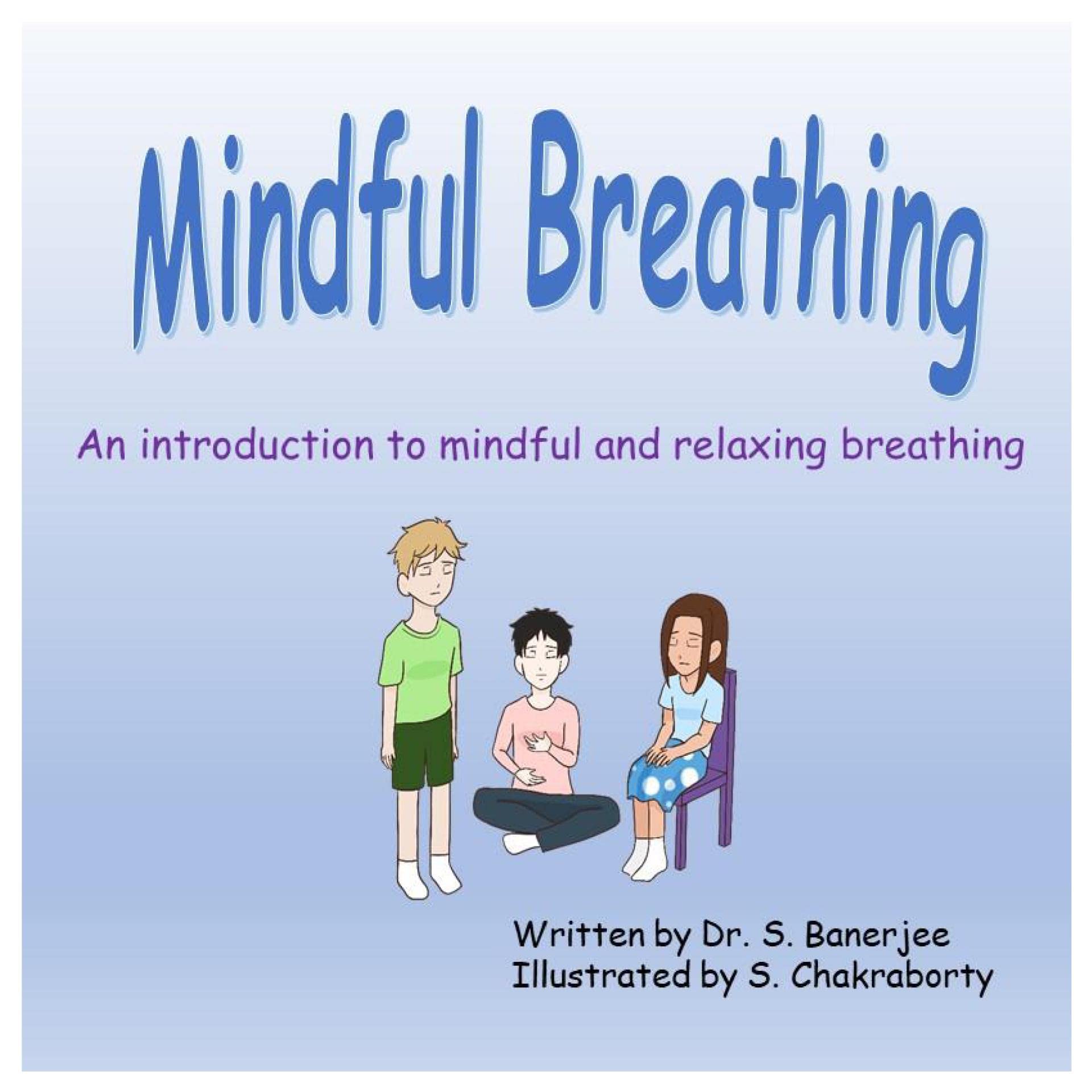
Breathing is an involuntary act, yet it can be harnessed as a powerful tool for mindfulness. Mindful breathing involves focusing your attention on your breath as it flows in and out of your body. This practice helps ground you in the present moment and calms the mind.
How to Practice: - Find a comfortable seated position or lie down. - Close your eyes or soften your gaze. - Inhale deeply through your nose, allowing your abdomen to expand. - Exhale slowly through your mouth or nose. - Continue this for several minutes, bringing your focus back to your breath whenever your mind wanders.
2. Engage in Body Scan Meditation
The body scan meditation is a technique that encourages you to bring awareness to different parts of your body, helping you connect with physical sensations and release tension.
How to Practice: - Lie down comfortably on your back. - Close your eyes and take a few deep breaths. - Begin at the top of your head and gradually move downwards, focusing on each body part. - Notice any tension or discomfort without judgment and simply breathe into those areas. - Spend a few moments with each section, allowing relaxation to flow before moving on.
3. Try Mindful Walking
Walking is often an automatic activity, but mindful walking transforms it into a meditative experience. This technique encourages you to focus on the sensations of movement and your surroundings.
How to Practice: - Choose a quiet space where you can walk undisturbed. - Start walking slowly, paying attention to each step. - Notice how your feet touch the ground and the shift of weight from one foot to the other. - Observe the sights, sounds, and smells around you. - If your mind wanders, gently bring it back to the act of walking.
4. Keep a Gratitude Journal
Gratitude journaling is a simple yet effective way to cultivate positivity and emotional balance. By taking time to reflect on what you’re grateful for, you can shift your focus from negativity to appreciation.
How to Practice: - Set aside time each day (ideally in the morning or before bed) to write in a journal. - List three things you’re grateful for that day. - Reflect on why these aspects are meaningful to you. - Aim for variety; consider both significant events and small joys.
5. Observe Your Thoughts
Our thoughts can often be chaotic and overwhelming. Practicing observation helps create distance between you and your thoughts, allowing you to manage them without getting engulfed by them.
How to Practice: - Sit comfortably in a quiet space. - Close your eyes and take a few deep breaths. - Acknowledge any thoughts that arise but don’t engage with them; instead, imagine them as clouds passing in the sky. - Note their presence without judgment and return your focus to your breath or another anchor point.
6. Practice Mindful Eating
Mindful eating transforms mealtime into a rich sensory experience. By slowing down and paying full attention while eating, we can enhance our relationship with food and improve our overall well-being.
How to Practice: - Choose a meal or snack that you can eat mindfully. - Before eating, take a moment to appreciate its colors, aromas, and textures. - Eat slowly, taking small bites and chewing thoroughly. - Notice the flavors unfolding and how they change with each bite. - Pay attention to how your body feels as you eat—are you hungry? Full?
7. Incorporate Loving-Kindness Meditation
Loving-kindness meditation is directed towards cultivating compassion towards oneself and others. This practice fosters emotional balance by promoting positive feelings in relationships.
How to Practice: - Find a quiet place where you can sit comfortably. - Close your eyes and take deep breaths to center yourself. - Begin by silently repeating phrases like “May I be happy,” “May I be healthy,” “May I live with ease.” - After several minutes focused on yourself, extend these wishes towards loved ones, acquaintances, and even those whom you find challenging.
8. Take a Digital Detox
While technology has its benefits, constant connectivity can lead to emotional overload. A digital detox involves intentionally disconnecting from devices for a set period.
How to Practice: - Set aside specific times during which you’ll step away from screens—this could be one evening per week or weekends entirely. - Use this time for activities that nourish you: reading, nature walks, or practicing other mindfulness techniques. - Notice how reducing screen time affects your mood and emotional state.
9. Connect with Nature
Nature has an inherent calming effect on our emotions. Spending time outdoors can rejuvenate our spirit and restore emotional balance.
How to Practice: - Dedicate regular time each week for outdoor activities—hiking, gardening, or simply walking in a park. - Pay close attention during these moments; observe how nature changes with the seasons or listen intently to birds singing. - Try grounding practices like walking barefoot on grass or soil; this simple connection can significantly enhance well-being.
10. Prioritize Self-Care
Taking care of ourselves physically, emotionally, and mentally is vital for maintaining emotional balance. This includes getting enough sleep, eating nutritious foods, exercising regularly, and engaging in activities that bring us joy and relaxation.
By incorporating these practices into your daily routine, you can foster emotional resilience and balance. Whether through mindful breathing or connecting with nature, these techniques encourage self-awareness that leads not only to emotional stability but also personal growth. Start small; pick one technique that resonates with you today and deepen its practice over time—your emotions will thank you!

Post a Comment for "How to Achieve Emotional Balance in Daily Life: Practical Tips for Inner Peace"