Healthy relationships are the cornerstone of a fulfilling life, offering emotional support, companionship, and a sense of belonging. Whether it's with a romantic partner, family member, or friend, nurturing these connections requires effort, understanding, and commitment. In the United Kingdom, where social bonds play a vital role in well-being, learning how to build and maintain healthy relationships is more important than ever. Here’s a comprehensive guide to help you cultivate lasting harmony in your relationships.
Understanding Healthy Relationships
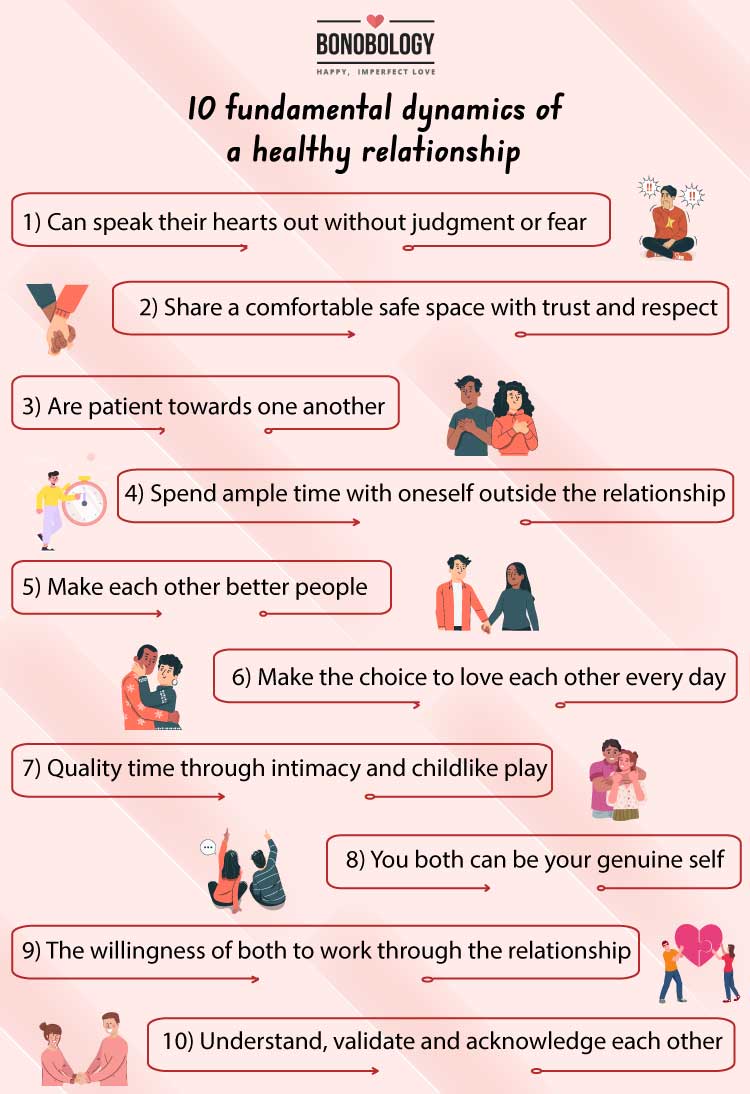
A healthy relationship is one that fosters mutual respect, trust, and open communication. It’s not about perfection but about creating a space where both individuals feel valued and supported. According to research, people with strong social ties tend to experience better mental and physical health, enjoy longer lifespans, and are more resilient in times of stress.
However, not all relationships are created equal. Some may be marked by green flags—positive behaviors like respect, trust, and emotional safety—while others may show red flags, such as manipulation, control, or abuse. Yellow flags, which are less severe but still concerning, include poor communication or imbalanced contributions. Recognizing these signs early on can help you address issues before they escalate.
Key Characteristics of Healthy Relationships
Healthy relationships share several common traits, regardless of the type of connection. These characteristics serve as a foundation for long-term harmony:
- Trust: Trust is the bedrock of any healthy relationship. It involves believing in each other’s reliability, honesty, and commitment.
- Openness and Self-Disclosure: Feeling comfortable sharing thoughts, feelings, and vulnerabilities with each other strengthens emotional intimacy.
- Boundaries: Healthy boundaries ensure that both partners have space to grow individually while maintaining the relationship.
- Respect: Mutual respect means valuing each other’s opinions, needs, and individuality.
- Affection: Expressing love and care through words, actions, and physical touch is essential for emotional connection.
- Communication: Effective communication allows couples to resolve conflicts, express needs, and strengthen their bond.
- Give-and-Take: A balanced exchange of support, time, and effort ensures that both partners feel appreciated and valued.
13 Tips for Building Healthy Relationships
Building and maintaining healthy relationships requires intentional effort. Here are 13 practical tips to help you nurture your connections:
- Figure out your core beliefs: Reflect on your values and past experiences to understand how they influence your relationships.
- Cherish each other’s vulnerabilities: Show empathy and support when your partner is open and honest with you.
- Ask for help when you need it: Seeking support from others reinforces the idea of mutual care and cooperation.
- Protect the relationship from stress: Address stress together and focus on shared strengths to overcome challenges.
- Show appreciation: Express gratitude regularly to reinforce positive feelings and strengthen your bond.
- Set aside time to talk about your hopes and fears: Regular conversations about your future and personal growth keep your relationship dynamic.
- Fight with intention: Handle conflicts constructively by focusing on solutions rather than blame.
- Embrace your differences: Celebrate each other’s unique qualities and learn from them.
- Communicate and maintain healthy boundaries: Clearly express your needs and respect your partner’s limits.
- Check in regularly: Stay connected by asking how your partner is doing and offering support.
- Be a good listener: Active listening builds trust and deepens emotional connections.
- Learn how you each like to give and receive affection: Understand each other’s “love languages” to express care in meaningful ways.
- Have fun together: Enjoying shared activities and creating new memories keeps your relationship lively and engaging.
Signs of Unhealthy Relationships
While every relationship has its ups and downs, certain behaviors can signal an unhealthy dynamic. If you notice any of the following, it may be time to reassess the relationship:
- Control: One person trying to dominate or manipulate the other.
- Lack of communication: Avoiding difficult conversations or failing to express feelings.
- Neglect: Ignoring your partner’s needs or emotional well-being.
- Fear: Feeling anxious or unsafe in the relationship.
- Unfairness: Disproportionate responsibilities or lack of respect.
If these issues persist, consider seeking professional help or reevaluating the relationship’s long-term viability.
When to Seek Help
Sometimes, even the strongest relationships face challenges that require external support. If you’re struggling with conflict, trust issues, or emotional distance, a therapist or counselor can provide guidance and tools to improve your connection. Couples therapy can also be beneficial in addressing deeper issues and strengthening your bond.
In the UK, there are numerous resources available, including local support groups and online platforms offering relationship advice. Remember, seeking help is a sign of strength, not weakness.
Nurturing Your Relationships
Ultimately, healthy relationships require ongoing effort and commitment. By prioritizing communication, respect, and mutual support, you can create a foundation for lasting harmony. Whether you're in a romantic partnership, friendship, or family relationship, taking the time to nurture these connections will enrich your life and the lives of those around you.

Post a Comment for "Essential Healthy Relationship Tips for Lasting Harmony"