Stress is a natural part of life, but when it becomes overwhelming, it can significantly impact your mental and physical health. In the United Kingdom, where fast-paced lifestyles and demanding work environments are common, understanding how to effectively manage stress is more important than ever. This article explores practical and proven strategies to help you deal with stress, improve your well-being, and lead a more balanced life.
Understanding Stress
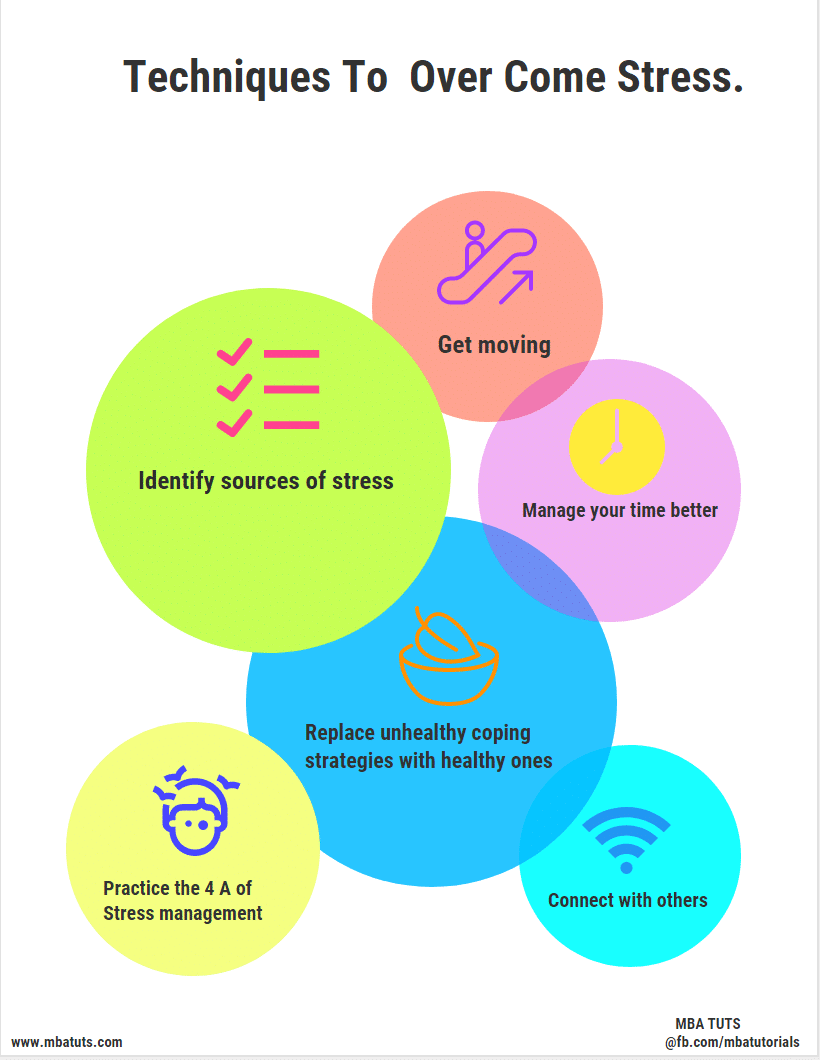
Stress is the body's response to pressure or challenges. It can be triggered by various factors such as work deadlines, financial problems, relationship issues, or even positive life changes like moving to a new home. While short-term stress can be beneficial—helping you stay alert and focused—chronic stress can lead to serious health issues, including anxiety, depression, and cardiovascular diseases.
The signs of stress can vary from person to person but often include feelings of anxiety, irritability, fatigue, and physical symptoms like headaches or digestive issues. Recognizing these signs early is crucial in managing stress before it becomes unmanageable.
Practical Strategies for Managing Stress
1. Identify and Address the Causes
The first step in dealing with stress is to identify its sources. Keeping a stress journal can help you track what triggers your stress and how you respond to it. Once you understand the root causes, you can take steps to address them. For example, if work-related stress is a problem, consider discussing workload concerns with your manager or setting clearer boundaries between work and personal time.
2. Practice Healthy Coping Mechanisms
Unhealthy coping mechanisms, such as excessive alcohol consumption or overeating, may provide temporary relief but can worsen stress in the long run. Instead, focus on healthy alternatives:
- Exercise regularly: Physical activity releases endorphins that improve mood and reduce stress. Even a daily walk can make a significant difference.
- Eat a balanced diet: Nutrient-rich foods support mental health and can help regulate stress levels.
- Get enough sleep: Lack of sleep exacerbates stress, so prioritize restful sleep by maintaining a consistent bedtime routine.
3. Develop Mindfulness and Relaxation Techniques
Mindfulness practices, such as meditation and deep breathing exercises, can help you stay grounded and reduce stress. These techniques encourage you to focus on the present moment, which can prevent worries about the past or future from overwhelming you.
Additionally, relaxation methods like yoga or progressive muscle relaxation can help alleviate physical tension and promote a sense of calm.
4. Build a Support Network
Connecting with friends, family, or support groups can provide emotional relief and practical advice. Social support is a powerful tool in managing stress, as sharing your feelings with others can help you feel less isolated and more understood.
5. Learn to Say No and Set Boundaries
One of the most effective ways to manage stress is to avoid taking on more than you can handle. Learning to say "no" to unnecessary commitments and setting clear boundaries can prevent burnout and help you maintain a healthier work-life balance.
6. Seek Professional Help When Needed
If stress becomes unmanageable, don’t hesitate to seek professional help. Therapies such as Cognitive Behavioral Therapy (CBT) can teach you effective coping strategies, while talking to a therapist can provide a safe space to explore your feelings and develop personalized solutions.
The Importance of Self-Care
Self-care is an essential component of stress management. Taking time for yourself, engaging in activities you enjoy, and practicing self-compassion can significantly reduce stress levels. Whether it’s reading a book, listening to music, or simply taking a few minutes to breathe deeply, prioritizing self-care helps you recharge and face life’s challenges with renewed energy.
Conclusion
Dealing with stress is a continuous process that requires awareness, effort, and the right tools. By understanding the causes of stress, adopting healthy habits, and seeking support when needed, you can effectively manage stress and improve your overall well-being. Remember, it's okay to ask for help, and taking care of your mental health is just as important as taking care of your physical health.

Post a Comment for "Effective Strategies for Dealing with Stress: A Comprehensive Guide"