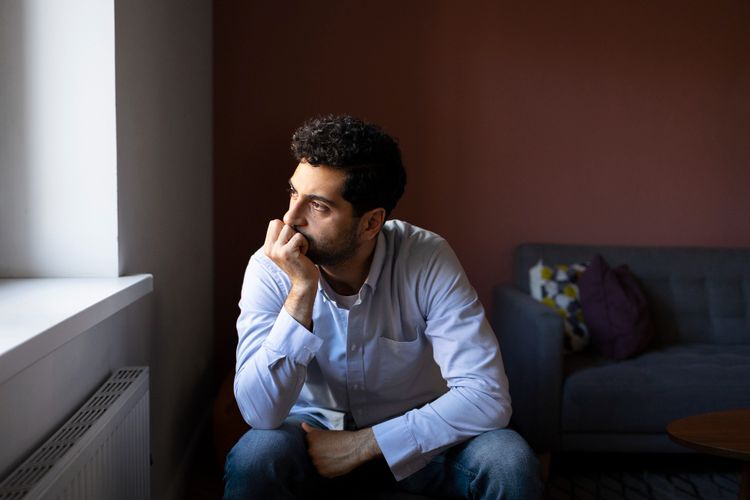
- Psychology observes that suffering in life often leaves signs that are not always visible to the naked eye.
A life filled with stress shapes certain psychological responses that reflect inner wounds and emotional burdens.
These signs appear as a result of a person's long struggle in facing suffering according to psychological perspectives.
By examining behavior and emotional expressions, psychology is able to identify traces of suffering stored within a person.
Reported fromgeediting.comOn Thursday (7/24), there are eight signs that a person is experiencing much suffering in life according to Psychology.
- Always claiming "it's okay"
"Okay" automatic response often serves as a mask that hides the emotional chaos within a person.
When a person consistently gives this brief answer to every question about their condition, it may indicate an attempt to hide the inner turmoil they are experiencing.
Body language that does not match their words is an important clue that something is wrong behind that positive facade.
Expressing vulnerability and deepest fears requires a level of trust that is not easily given to just anyone.
The ease of saying "okay" often becomes a defense mechanism to avoid deeper and potentially painful conversations.
- Losing interest in activities that were once enjoyed
A very noticeable sign is when a person starts to distance themselves from hobbies and activities that once brought them joy.
This change did not happen suddenly, but through a gradual process in which enthusiasm slowly disappeared from their eyes.
Various reasons such as work commitments, health conditions, or family obligations are often used as an excuse to hide the fact that they no longer feel joy.
The world that was once full of color now appears gray and dull, as if having lost the meaning and appeal it once had.
This decline in interest can be an early indicator that a person needs additional support and attention from their surroundings.
- Experiencing continuous sleep disturbances
Disrupted sleep is a physical manifestation of the mental anxiety being experienced by a person.
Insomnia or restless sleep is not just a physical issue, but a reflection of a mind that keeps spinning endlessly during the night.
Although a person may appear to function normally during the day, a disrupted sleep schedule can reveal a different story about their emotional state.
Difficulty falling asleep or frequently waking up during the night indicates a heavy mental burden that is difficult to switch off.
Fatigue visible on the face or complaints about lack of sleep may be a sign that there is a deeper issue than occasional all-nighters.
- Isolating oneself from the social environment
Withdrawal from social interactions is a form of self-protection carried out to avoid additional pressure that may arise from social situations.
Rejection of invitations, absence from important events, or creating distance with friends and family become their way to cope with internal chaos.
Being preferential to being alone does not mean they do not like others, but because their mental energy is drained from dealing with inner turmoil.
This isolation is not a personal attack against the people around them, but a coping mechanism chosen to survive.
Patience and understanding from the close environment can be a very valuable support during these difficult times.
- Experiencing extreme mood swings
Emotional instability shown through sudden and intense mood changes reflects an ongoing internal struggle.
The transition from joy to deep sadness in a short time can seem disproportionate to the situation that is occurring.
This emotional fluctuation is not a sign of weakness or lack of self-control, but rather a reflection of the mental burden being carried.
Small triggers can unleash emotions that have been long suppressed and hidden from others' view.
Providing space and patience to those experiencing emotional instability can be the anchor they need in the midst of emotional storms.
- Easily offended or defensive
An excessive reaction to trivial matters often indicates that a person is facing significant internal pressure.
When a person is already exhausted by the emotional burden they carry, even the smallest additional stressor can trigger an unexpected reaction.
The defensive attitude shown is a self-protection mechanism when they feel vulnerable and powerless.
The reaction that seems inappropriate to the actual situation is an outburst from accumulated stress and frustration that has been building up.
Understanding that their anger or irritability may not be about the current event, but about a larger burden they are carrying.
- Seems unfocused or disconnected from reality
Difficulty in staying present in the current moment is a sign that a person's mind is being controlled by anxiety and worry.
When mental energy is drained by inner turmoil, the ability to concentrate on conversations or activities becomes impaired.
The impression that they seem distant or uninvolved is not due to a lack of care, but because their minds are struggling with internal issues.
The appearance of being lost in their own world, even when surrounded by others, shows that they are trying to untangle the knots in their mind.
Offering a safe and non-judgmental space can help them feel more comfortable sharing the burdens they are carrying.
- Often belittling oneself
The tendency to constantly put oneself down or belittle personal achievements reflects a negative perception of themselves.
Humor that always sacrifices oneself or minimizes one's achievements is not ordinary humility.
This behavior is often a projection of feelings of being worthless, inadequate, or not good enough that erode their self-confidence.
The humor mask used to conceal self-deprecation can be easily ignored, yet this is a sign that needs to be taken seriously.
The words they use to describe themselves are a mirror of the actual emotional and mental condition they are currently experiencing.
***

Post a Comment for "8 Signs That a Person Is Experiencing Much Suffering in Life According to Psychology"